Helping you face the day

Psoriasis Treatments
Located in Westchester, NY
Jump To
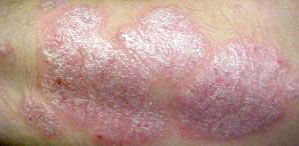
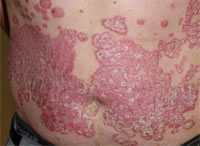
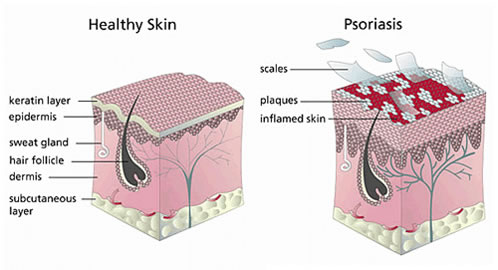
Psoriasis consists of raised red patches that are covered with light-colored scales on the lower back, most commonly on the knees and elbows, or on the scalp. Other varieties of psoriasis can cause small red spots, white pustules, smooth red lesions where the skin folds, and widespread redness, itching, and pain.
Our certified cosmetic & medical dermatologists treat psoriasis from both of our offices located in Manhattan and Scarsdale, NY.
What Causes Psoriasis?
Scientific research indicates that psoriasis may be a disorder that causes our immune system to overreact and rapidly accelerate the production of skin cells. Instead of growing normally and being replaced every month, the cells may mature in as little as three days and pile up on the surface of the skin. Genetics may also play a role, and injuries to the skin, stress, sunburn trauma and other events may lead to an outbreak as well.
Other triggers can include cold or dry weather, certain medications for heart disease, bipolar disorder, malaria, infections, alcohol, or smoking.
Ideal Candidates for Psoriasis Treatments
Psoriasis affects people of all ages, but some benefit most from medical care. You may be a good candidate if you have plaque, guttate, inverse, or pustular psoriasis that is not well controlled with over-the-counter products.
You are also a strong candidate if symptoms cover larger areas, affect the scalp or nails, or disrupt daily comfort. Patients who do not respond well to topical treatments often benefit from prescription options or light-based therapy.
A skin evaluation with Dr. Kriegel helps identify the right plan for your condition and severity. Early evaluation helps guide effective long-term psoriasis management decisions for your skin health.
What Are the Symptoms of Psoriasis?
In addition to the visible signs listed above, psoriasis can cause discomfort (itching or pain) but very mild cases may remain unnoticed. Embarrassment about appearance is also a common reason for treatment.
Types of Psoriasis
People can suffer from different types of psoriasis. These can be listed as follows:
- Nail psoriasis: This condition affects the toenails and fingernails, causing discoloration, abnormal nail growth, and pitting. In some cases, the affected nail either gets separated from the nail bed or it crumbles.
- Plaque Psoriasis: This is one of the most common psoriasis types, causing red, dry, and raised patches on the skin covered with scales. Their number may vary from one person to another and can be either itchy or tender. Plaque psoriasis appears on the back, elbows, scalp, and knees.
- Pustular Psoriasis: This is a rare form of psoriasis that causes scaly and red skin with tiny pus-filled lesions in widespread patches on the soles of the feet or palms.
- Guttate Psoriasis: This type of psoriasis starts quite early during young adulthood or childhood. It causes red and small drop-shaped spots or lesions to appear on the limbs and torso. The most common triggers of this psoriasis include strep throat, respiratory infections, skin injuries, stress, tonsillitis, or taking beta-blocker and anti-malarial medications.
- Inverse Psoriasis: This condition causes bright and shiny red lesions to appear on the skin folds, such as the groin, under the breasts or the armpit. The condition often gets worse with sweating and friction. This psoriasis condition is triggered mainly by fungal infections.
- Erythrodermic Psoriasis: This is one of the least common types of psoriasis affecting the general public. It covers the entire body with a peeling red rash that can cause intense burning or itching sensations.
- Psoriatic Arthritis: This condition causes painful, swollen joints similar to arthritis. In fact, in most cases, this is the only symptom observed. This condition causes nail changes with symptoms ranging from mild to severe. It can cause progressive joint damage and stiffness in the affected joint, which then progresses to permanent damage of joints, in some cases.
Diagnosing Psoriasis
Psoriasis may look like other disorders, and medical expertise is needed to diagnose it properly. Because of this, it is important to set up a consultation at Westchester Center for Dermatology.
Our skilled medical professionals will ask whether you are feeling itchiness or joint problems like pain, swelling, or stiffness. They will ask about blood relatives who have had a history of psoriasis. Additionally, they may also ask about any recent changes in your life that have caused stress.
After a physical examination, a sample of your skin, or a biopsy, will be taken to the lab. This will help determine whether your skin condition is psoriasis or another disorder.
Other tests used to diagnose psoriasis include blood tests and imaging scans. In cases of psoriatic arthritis, a patient may undergo multiple labs and imaging tests due to its similarity to rheumatoid arthritis.

Can Psoriasis Be Cured Permanently?
There is no permanent cure for psoriasis, but treatments for symptoms are available. A healthy diet and lifestyle can also reduce the symptoms of psoriasis.
Plan meals with balanced nutrition, and exercise regularly. Maintaining a healthy weight can reduce psoriasis flares and improve the effectiveness of psoriasis treatments.
It is also recommended that psoriasis patients quit smoking and limit alcohol consumption. Aside from reducing the effects of psoriasis treatments, these lifestyle habits can also develop other diseases in the heart, blood vessels, liver, and immune system.
How Is Psoriasis Treated at the Westchester Center for Dermatology?
After a careful examination by our certified dermatologists in Scarsdale to determine the type and severity of the psoriasis, treatment options may include creams or lotions, phototherapy that may utilize UV lights, or certain prescribed medications. Since no one treatment is best for everyone, the treatment that provides you with the most relief with the fewest side effects is our goal.
Patients living with psoriasis often turn to topical treatments for relief. Here are some common examples:
- Corticosteroids: Potent anti-inflammatory agents, corticosteroids effectively alleviate redness and itching associated with psoriasis.
- Vitamin D Analogues: Examples include calcitriol, which helps control skin cell proliferation, reducing scaling and promoting normal growth in psoriatic skin.
- Topical Retinoids: Derived from vitamin A, these regulate cell turnover, mitigating psoriasis symptoms by promoting healthier skin development.
- Coal Tar: A longstanding remedy, coal tar aids in reducing inflammation and scaling associated with psoriasis, providing relief for affected individuals.
Why Choose Westchester Center for Dermatology for Your Psoriasis Treatment
At Westchester Center for Dermatology in Scarsdale, patients receive personalized skin care from board-certified dermatologist Dr. David Kriegel and his team of dermatology specialists with decades of combined experience. Dr. Kriegel is the director and founder of this dermatology center and a nationally recognized Mohs, cosmetic, and laser surgeon.
Dr. Kriegel completed his training at hospitals affiliated with Harvard Medical School and Boston University School of Medicine. He currently serves as Director of Dermatologic and Mohs Surgery at Mount Sinai Hospital.
Dr. Kriegel was selected by his peers as an outstanding practicing doctor in New York in 2024. After an extensive nomination and research process by MSP Communications, he was named to New York Super Doctors, featured in the May 4, 2025, issue of The New York Times Sunday Magazine.
Frequently Asked Questions
No, psoriasis is not contagious. It cannot be spread through physical contact or proximity to someone with the condition. Psoriasis is a chronic skin condition that stems from an immune system response and genetic factors.
Various factors, including stress, skin injuries, certain medications, and infections, can trigger psoriasis flare-ups. Understanding and avoiding personal triggers can be an important part of managing psoriasis.
Yes, psoriasis can occur in children and adolescents. Early diagnosis and management are crucial to controlling symptoms and improving the quality of life for young patients.
Psoriasis treatments aim to reduce inflammation and clear the skin. Treatment options range from topical treatments and light therapy to systemic medications and biologics, depending on the severity of the condition.
Psoriasis is a condition that, while it can bring discomfort, does not pose an immediate threat to one's life. With the right care and attention, individuals can effectively manage their symptoms and lead vibrant lives. However, it's important to acknowledge that if left untreated, psoriasis can potentially lead to complications such as mood disorders, eye problems, cancer, type 2 diabetes, or cardiovascular disease. Fortunately, by actively seeking treatment and support, such as the comprehensive care provided at the Westchester Center for Dermatology, individuals can significantly reduce the risk of these complications and maintain their overall well-being. Our team is here to offer guidance and assistance in managing psoriasis effectively, ensuring you can live confidently and comfortably.
Contact Us to Learn More
To learn more information about psoriasis, contact Westchester Center for Dermatology for a consultation today. Our medical experts will discuss and plan your treatment for psoriasis.
Related Blog Posts
 Managing Psoriasis Flare-Ups During Cold Winter Months: A Comprehensive Guide
Angry red patches appear where your skin was calm just weeks ago. The thick, scaly plaques crack and bleed despite…. Read More