Helping you face the day

Photodynamic Therapy vs. Laser Treatments: What’s the Difference?
Published on December 16, 2025 by Westchester Center For Dermatology
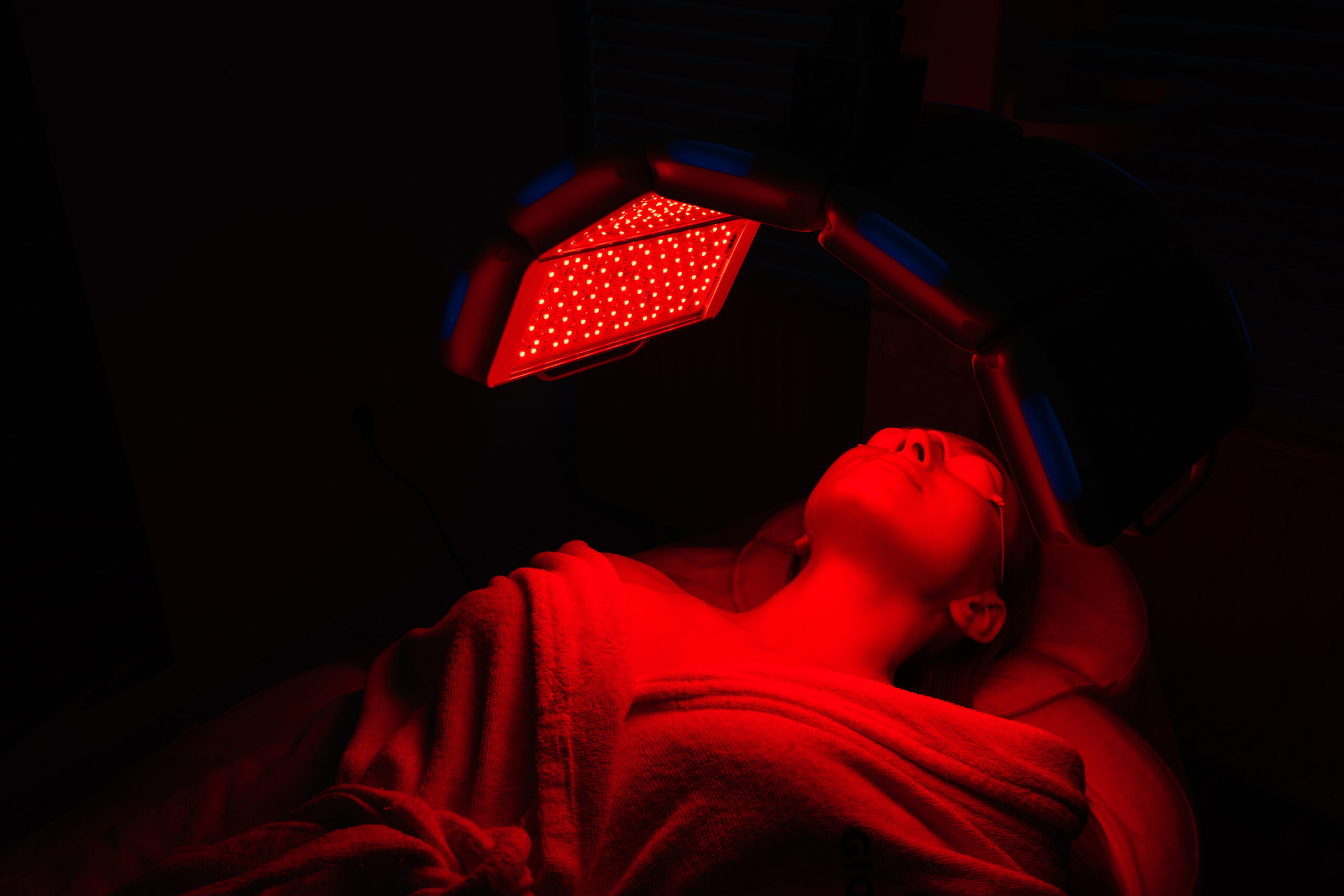
If you’re trying to clear acne or fade sun damage, you’ve likely compared photodynamic therapy vs. laser treatments. Both use light, but the way they act on your skin is entirely different. At Westchester Cosmetic Dermatology in Scarsdale, Dr. David Kriegel guides you toward the right light-based treatment that fits your needs and goals.
What Is Photodynamic Therapy?
Photodynamic therapy, or PDT, is a non-laser skin treatment that combines a topical photosensitizing agent with red or blue light. Your trusted dermatologist, Dr. Kriegel, applies a solution to your skin that makes abnormal cells more sensitive to light. After a short waiting period, a special light source activates the solution. This process destroys damaged cells while leaving healthy tissue intact.
PDT treats actinic keratoses, which are precancerous lesions caused by sun exposure. It also addresses moderate to severe acne, sun damage, and certain types of skin cancer.
How Do Laser Treatments Work?
Laser treatments use focused beams of light energy to target specific skin concerns. Different laser types address various issues, including pigmentation, wrinkles, vascular lesions, and hair removal. Lasers work by heating tissue to stimulate collagen production or remove damaged skin layers.
Common laser procedures include fractional resurfacing, IPL (intense pulsed light), and ablative treatments. Recovery time varies depending on the laser type and treatment depth.
Key Differences: PDT vs. Laser
Understanding photodynamic therapy vs. laser treatments requires looking at how each interacts with your skin. The mechanisms, target concerns, and recovery processes differ significantly between these light-based skin treatment options.
Mechanism of action
PDT relies on a chemical reaction between the photosensitizing agent and light to destroy abnormal cells. The solution sits on your skin for 30 minutes to several hours before light activation. When light hits the treated area, it triggers a reaction that eliminates targeted cells.
Lasers use heat and light energy to physically alter or remove tissue without a chemical activator. The laser beam targets specific chromophores in your skin, such as melanin or hemoglobin. This direct approach heats tissue to create controlled damage that prompts healing and regeneration.
PDT vs. IPL and other comparisons
PDT vs. IPL is a common question since both involve light therapy. IPL uses broad-spectrum light to target pigment and blood vessels in the skin. Unlike IPL, photodynamic therapy requires a topical solution to activate the treatment. It makes PDT more selective for damaged or diseased cells rather than relying solely on light absorption by pigment.
Red light therapy dermatology treatments through PDT also differ from standard LED light therapy. While LED devices emit light wavelengths that may improve skin appearance, they don’t involve photosensitizing agents.
Conditions treated
Photodynamic therapy excels at treating precancerous lesions, stubborn acne, and sun-damaged skin. It’s particularly effective for treating acne and sun damage when multiple areas are affected. The treatment reduces oil gland activity, kills acne-causing bacteria, and simultaneously addresses sun damage.
Laser treatments offer versatility for cosmetic concerns like fine lines, scars, uneven pigmentation, and skin laxity. Specific lasers address different issues effectively. For example, fractional lasers create micro-injuries to stimulate collagen, while vascular lasers target broken capillaries.
Recovery
After PDT, your skin becomes highly sensitive to light for 24 to 48 hours. You’ll need to avoid sun exposure and bright indoor lights during this period. Redness, peeling, and temporary swelling are common. Most patients return to normal activities within a few days.
Laser treatment recovery depends on the type and intensity used. Ablative lasers may require one to two weeks of healing. Non-ablative options typically cause minimal downtime. Both treatments can cause temporary redness, but laser procedures don’t create the same light sensitivity as dermatologist-administered PDT.
Which Treatment Is Right for You?
Choosing between these light-based skin treatment options depends on your concerns and skin type. Photodynamic therapy helps treat precancerous lesions or persistent acne. Laser treatments work well for cosmetic issues that don’t require the chemical activation of PDT. Your dermatologist, Dr. Kriegel, will assess your skin and recommend the option that best fits your needs.
Trusted Experts in Dermatology
Dr. David Kriegel is a nationally recognized Mohs skin cancer, cosmetic, and laser surgeon who founded Westchester Center for Dermatology in Scarsdale. He has led the Division of Dermatologic and Mohs Surgery at Mount Sinai Hospital since 1997 and also directs its Mohs Surgery Fellowship. This role allows him to treat patients while training future dermatologic surgeons, bringing the latest techniques and research into everyday care.
New York Magazine has recognized Dr. Kriegel in its Best Doctors issue for the past 10 years, and The New York Times Super Doctors issue has featured him for eight consecutive years. His expertise attracts patients from across the United States and internationally who seek the highest level of care in medical and cosmetic dermatology.
Whether you’re considering photodynamic red light therapy or exploring laser options, you’ll receive expert guidance throughout the process. Our practice serves patients in Bronxville, Eastchester, Hartsdale, Edgemont, White Plains, New Rochelle, Mamaroneck, Rye, Larchmont, Harrison, Pleasantville, and throughout Westchester County.
Want Clearer Skin? Book Now
Ready to find out which treatment fits your skin goals? Schedule your consultation with Westchester Cosmetic Dermatology in Scarsdale today. Dr. David Kriegel will assess your skin and help you choose the best path forward. Call us at (914) 472-4100 or fill out the online form to book your appointment.
Archives
- September 2026
- August 2026
- July 2026
- June 2026
- April 2026
- March 2026
- February 2026
- January 2026
- December 2025
- November 2025
- October 2025
- September 2025
- August 2025
- June 2025
- April 2025
- March 2025
- January 2025
- December 2024
- November 2024
- October 2024
- September 2024
- August 2024
- July 2024
- June 2024
- May 2024
- April 2024
- February 2024
- January 2024
- December 2023
- November 2023
- October 2023
- August 2023
- September 2021
- August 2021
- January 2019
- November 2018
- October 2018
- September 2018
- August 2018
- June 2018
- May 2018
- March 2018
- February 2018
- December 2017
- November 2017
- October 2017
- September 2017
- August 2017
- May 2017
- March 2017
- February 2017
- January 2017
- December 2016
- January 2016
- December 2015
- November 2015
- October 2015
- September 2015
- August 2015
- June 2015
- May 2015
- April 2015
- March 2015
- February 2015
- January 2015
- October 2014
- September 2014
- August 2014
- July 2014
- June 2014
- April 2014
- January 2014
- December 2013
- October 2013
- September 2012
- August 2012
- July 2012
- June 2012
- March 2012
- November 2011
- October 2011
- September 2011
- August 2011
- March 2011
- October 2010
- June 2010
- May 2010
- March 2010
- February 2010