Helping you face the day

Melanoma Risk Factors You Shouldn’t Ignore
Published on September 4, 2025 by Westchester Center For Dermatology
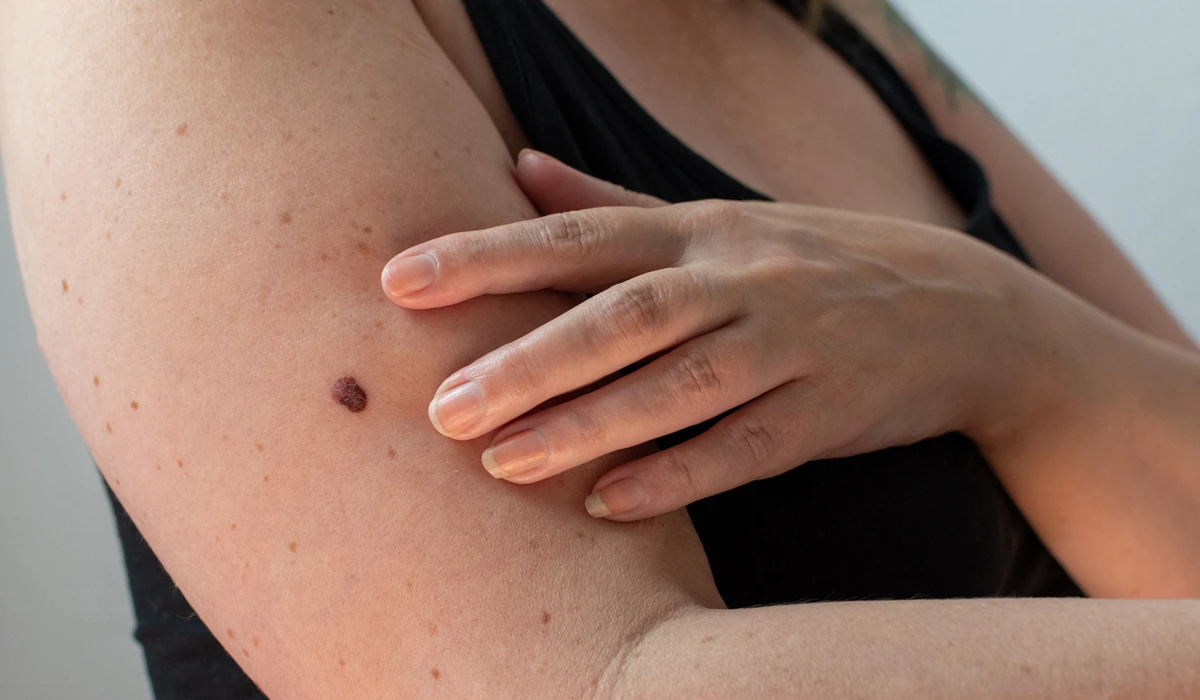
You don’t need a lifetime of sun exposure to be at risk for melanoma. Even one blistering sunburn, especially during childhood, can increase your chances.
If you’ve ever wondered whether your skin, habits, or family history could put you at risk, this is the time to take it seriously.
What Increases Your Risk of Melanoma?
Melanoma is a severe form of skin cancer that begins in the pigment-producing cells known as melanocytes. It grows faster than other types of skin cancer and can spread if not detected early. With timely diagnosis, melanoma is often treatable, which makes understanding your risk essential.
You may be at higher risk if you have:
- Fair skin, light-colored eyes, freckles, or red or blond hair, which provide less natural protection against UV damage
- A history of blistering sunburns, especially during childhood or adolescence
- Tanning bed exposure, which delivers concentrated UV radiation in short bursts
- A family history of melanoma, particularly in a close relative
- Numerous or atypical moles, especially if they change in size, shape, or color
- A weakened immune system, due to medical conditions or certain medications
- Older age, since melanoma becomes more common with time, especially in men over fifty
Why Early Detection and Expert Screening Matter
Skin cancer often develops quietly. You may not notice anything unusual until it’s more advanced. That’s why regular skin checks with a board-certified dermatologist in Westchester are essential.
Dr. David Kriegel brings decades of experience in identifying and managing skin cancers, including melanoma. As a nationally recognized expert in Mohs surgery and dermatologic care, patients rely on his expertise to detect subtle changes and guide treatment decisions. If advanced care is needed, he ensures you’re referred promptly and supported throughout the process.
In 2024, Dr. Kriegel was selected by his peers as one of New York’s outstanding practicing doctors. This recognition was featured in The New York Times Sunday Magazine on May 4, 2025, as part of the New York Super Doctors listing.
If you’ve noticed a mole that’s changing or have a history of sun exposure or skin cancer in your family, schedule a screening. A short appointment can make a big difference.
Archives
- September 2026
- August 2026
- July 2026
- June 2026
- April 2026
- March 2026
- February 2026
- January 2026
- December 2025
- November 2025
- October 2025
- September 2025
- August 2025
- June 2025
- April 2025
- March 2025
- January 2025
- December 2024
- November 2024
- October 2024
- September 2024
- August 2024
- July 2024
- June 2024
- May 2024
- April 2024
- February 2024
- January 2024
- December 2023
- November 2023
- October 2023
- August 2023
- September 2021
- August 2021
- January 2019
- November 2018
- October 2018
- September 2018
- August 2018
- June 2018
- May 2018
- March 2018
- February 2018
- December 2017
- November 2017
- October 2017
- September 2017
- August 2017
- May 2017
- March 2017
- February 2017
- January 2017
- December 2016
- January 2016
- December 2015
- November 2015
- October 2015
- September 2015
- August 2015
- June 2015
- May 2015
- April 2015
- March 2015
- February 2015
- January 2015
- October 2014
- September 2014
- August 2014
- July 2014
- June 2014
- April 2014
- January 2014
- December 2013
- October 2013
- September 2012
- August 2012
- July 2012
- June 2012
- March 2012
- November 2011
- October 2011
- September 2011
- August 2011
- March 2011
- October 2010
- June 2010
- May 2010
- March 2010
- February 2010