Helping you face the day

Managing Psoriasis Flare-Ups During Cold Winter Months: A Comprehensive Guide
Published on March 8, 2026 by Westchester Center For Dermatology
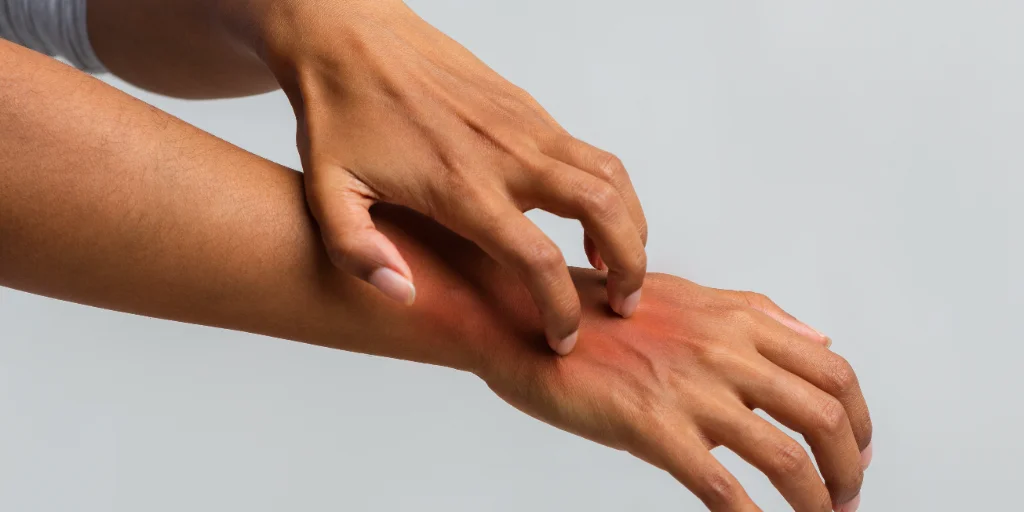
Angry red patches appear where your skin was calm just weeks ago. The thick, scaly plaques crack and bleed despite your usual treatment routine. Winter transforms manageable psoriasis into a daily battle that demands new strategies for relief. Get psoriasis treatment at a trusted provider like Westchester Center for Dermatology, serving Scarsdale, NY, and nearby areas.
Why Winter Worsens Psoriasis Symptoms
Your skin faces unique challenges when temperatures drop. Cold outdoor air holds less moisture than warm air does. Indoor heating systems then remove any remaining humidity in your home.
This double attack leaves your skin desperately dry. For people with psoriasis, dry skin can lead to more inflammation and faster cell turnover. Your immune system responds by creating those thick, scaly plaques faster than during warmer months.
Reduced sun exposure also contributes to winter psoriasis flare-ups. UV light naturally slows the rapid skin cell growth that causes psoriasis symptoms. Shorter days and heavy clothing limit your skin’s access to beneficial sunlight.
Common Psoriasis Triggers in Winter
Several specific factors make cold-weather psoriasis flare-ups more likely. Recognizing these triggers helps you avoid them when possible, and working with an expert dermatologist like Dr. David Kriegel at Westchester Center for Dermatology can help you manage flare-ups.
Temperature fluctuations stress your skin. Moving between freezing outdoor air and overheated indoor spaces causes rapid moisture loss. Your skin barrier weakens with each transition.
Hot showers feel wonderful on cold days, but strip protective oils from your skin. Water that’s too hot can trigger inflammation and dry out psoriasis-prone areas. Scalp psoriasis winter care becomes especially difficult when hot water worsens itching and flaking.
Stress increases during the holiday season and in darker months. Your body produces more inflammatory chemicals when you’re anxious or overwhelmed. These chemicals directly affect plaque psoriasis management throughout the season.
Practical Winter Relief Strategies
Protecting your skin requires consistent daily habits during colder months. Daily adjustments can help reduce irritation and support better symptom control.
Moisturize immediately after bathing
Apply moisturizer within three minutes of bathing to trap water in your skin. Choose thick, fragrance-free creams instead of lightweight lotions for stronger barrier protection. The best moisturizer for psoriasis contains ceramides, petroleum jelly, or dimethicone.
Use a humidifier while sleeping
Use a humidifier to relieve psoriasis symptoms caused by dry indoor air. Place it in your bedroom and run it overnight for steady moisture support. Aim for indoor humidity between 30 and 50 percent to reduce winter dryness and inflammation.
Adjust your bathing routine
Switch to lukewarm water to avoid removing natural skin oils. Keep showers under ten minutes to prevent excess dryness. Add colloidal oatmeal or bath oil to soothe irritated skin, then gently pat dry afterward.
Wear skin-friendly clothing
Layer clothing to maintain a stable body temperature throughout the day. Choose natural fabrics like cotton that allow your skin to breathe comfortably. Avoid wool that comes into direct contact with your skin, as it can irritate sensitive areas.
Medical Treatment Options for Winter Flare-Ups
Home care helps, but persistent symptoms need professional attention. An experienced dermatologist, such as Dr. Kriegel, can adjust your treatment plan to address seasonal challenges. He offers a range of dermatology services to manage psoriasis and other skin conditions.
Topical medications work differently in winter weather. Your doctor might recommend stronger corticosteroids or vitamin D analogs during cold months. Ointments penetrate dry skin better than creams or lotions.
Phototherapy for psoriasis replaces the natural sunlight that is missing. Regular UV light sessions slow skin cell production and reduce inflammation. This treatment option proves especially effective when outdoor sun exposure decreases.
Systemic medications or biologics may be necessary for severe winter flares. These treatments work throughout your body to control immune system responses. Learn more about psoriasis treatment options that match your specific symptoms.
Regional Considerations for Scarsdale Winters
Westchester County winters bring particularly harsh conditions for psoriasis patients. The region experiences low humidity levels, frequent temperature swings, and prolonged indoor heating seasons. These factors combine to create ideal conditions for winter psoriasis flare-ups.
Local weather patterns mean you need extra vigilance from November through March. Pay attention to indoor air quality and invest in whole-home humidification. The investment protects your skin throughout the coldest months and provides the consistent psoriasis relief Scarsdale residents need.
When to Seek Professional Help
Contact your dermatologist if home remedies don’t improve your symptoms within two weeks. Worsening redness, increased scaling, or new bleeding requires prompt evaluation.
Infected psoriasis plaques need immediate treatment. Signs include warmth, pus, swelling, or fever. Don’t wait to address these symptoms.
Expert Care at Westchester Center for Dermatology
Dr. David Kriegel leads the Westchester Center for Dermatology with over 30 years of experience in medical and cosmetic dermatology. He serves as Director of the Division of Dermatologic and Mohs Surgery at Mount Sinai Hospital and has appeared on New York Magazine’s Best Doctors list for 10 consecutive years.
The practice provides comprehensive dermatology services in Scarsdale for patients across Westchester County. Dr. Kriegel works with experienced physician assistants to deliver personalized psoriasis treatment that Scarsdale patients rely on. Each plan targets symptom relief, long-term plaque psoriasis management, and winter-specific triggers through medication, phototherapy, and lifestyle guidance.
Take Control of Winter Psoriasis
Winter doesn’t have to mean months of uncomfortable, visible flare-ups. Professional care helps you maintain clearer skin, even in challenging weather in Scarsdale. Book an appointment at Westchester Center for Dermatology, serving Scarsdale, NY, and neighboring towns in Westchester County, to develop your personalized winter management plan.
Contact us today to schedule your psoriasis treatment consultation.
Archives
- September 2026
- August 2026
- July 2026
- June 2026
- April 2026
- March 2026
- February 2026
- January 2026
- December 2025
- November 2025
- October 2025
- September 2025
- August 2025
- June 2025
- April 2025
- March 2025
- January 2025
- December 2024
- November 2024
- October 2024
- September 2024
- August 2024
- July 2024
- June 2024
- May 2024
- April 2024
- February 2024
- January 2024
- December 2023
- November 2023
- October 2023
- August 2023
- September 2021
- August 2021
- January 2019
- November 2018
- October 2018
- September 2018
- August 2018
- June 2018
- May 2018
- March 2018
- February 2018
- December 2017
- November 2017
- October 2017
- September 2017
- August 2017
- May 2017
- March 2017
- February 2017
- January 2017
- December 2016
- January 2016
- December 2015
- November 2015
- October 2015
- September 2015
- August 2015
- June 2015
- May 2015
- April 2015
- March 2015
- February 2015
- January 2015
- October 2014
- September 2014
- August 2014
- July 2014
- June 2014
- April 2014
- January 2014
- December 2013
- October 2013
- September 2012
- August 2012
- July 2012
- June 2012
- March 2012
- November 2011
- October 2011
- September 2011
- August 2011
- March 2011
- October 2010
- June 2010
- May 2010
- March 2010
- February 2010