Helping you face the day

Fungal Acne vs. Hormonal Acne: How to Tell the Difference
Published on November 10, 2026 by Westchester Center For Dermatology
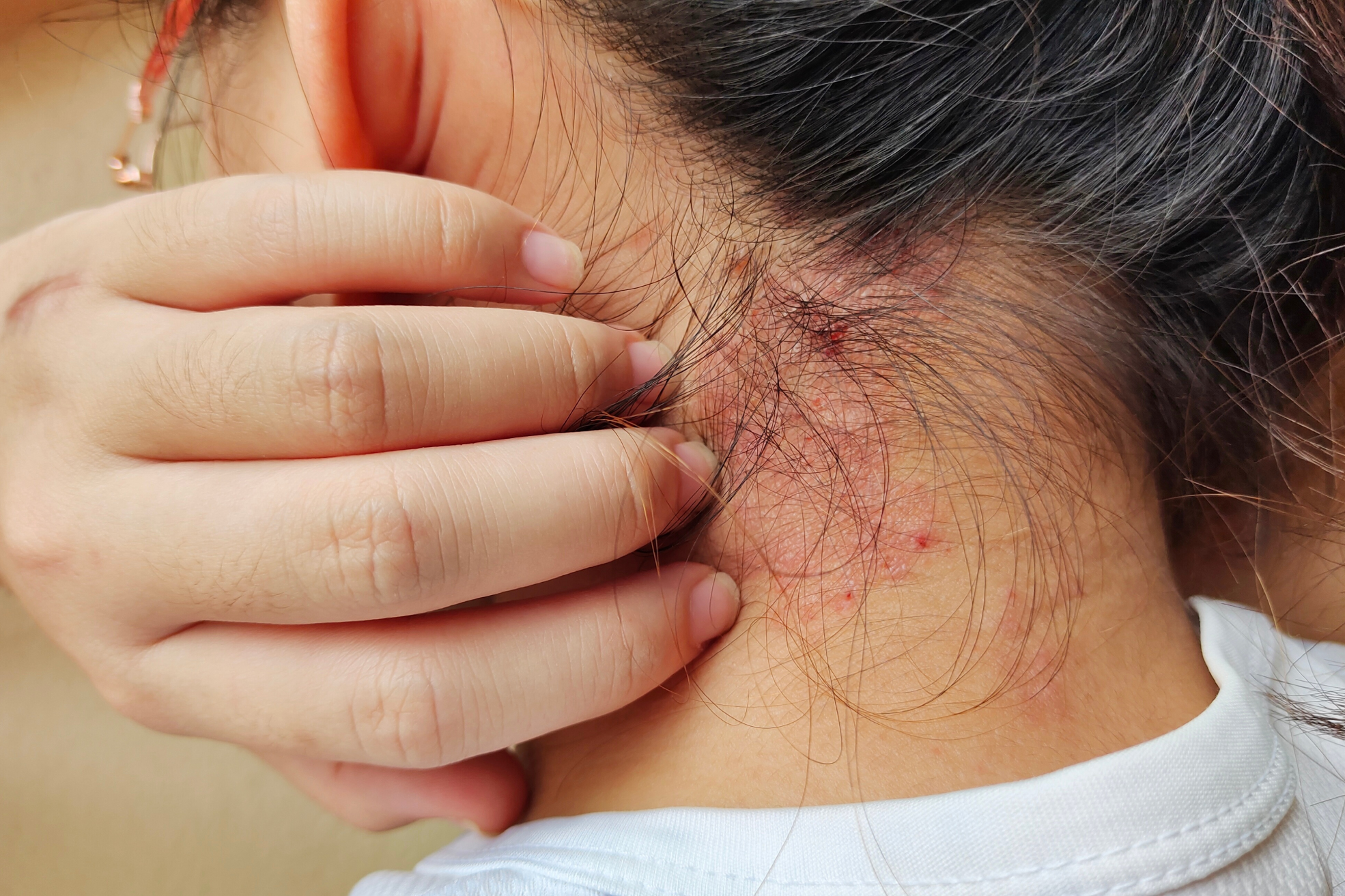
Those small, stubborn bumps that keep coming back can be frustrating, especially when your usual acne treatments do not seem to help. Because the two can look similar, knowing the difference can help you choose the right treatment.
Board-certified dermatologist Dr. David Kriegel and the team at Westchester Center for Dermatology in Scarsdale, NY, can evaluate your skin and help determine the right acne treatment for you.
What Is Fungal Acne?
Commonly refers to Malassezia folliculitis, when yeast affects hair follicles. It causes small, uniform bumps that may itch. They may appear on the forehead, hairline, chest, shoulders, or upper back. Heat, humidity, sweating, and products that trap moisture may contribute.
What Is Hormonal Acne?
Hormonal acne occurs when hormone fluctuations increase oil production and contribute to clogged pores. It can cause inflamed, tender, or deeper breakouts, often around the chin, jawline, and lower face. Stress, menstrual cycles, and other hormonal changes may contribute to recurring flares.
Fungal Acne vs. Hormonal Acne: What Are the Key Differences?
Fungal acne often appears as small, similar-looking bumps, while hormonal acne may cause inflamed pimples and deeper lesions. Itching may occur with Malassezia folliculitis, whereas hormonal acne is more commonly associated with tenderness and inflammation.
Fungal acne commonly affects the forehead, hairline, chest, shoulders, and back. Hormonal acne often appears along the chin, jawline, and lower face, although location alone cannot determine the cause. Heat, humidity, sweating, and skincare products that trap moisture may contribute to fungal acne, while hormonal fluctuations can trigger recurring hormonal breakouts.
Can You Have Fungal Acne and Hormonal Acne at the Same Time?
Yes. You can have more than one type of breakout, and treating every bump as traditional acne may leave other skin concerns unresolved. A dermatologic evaluation can help determine what is causing your breakouts before your treatment plan is adjusted.
Dr. David Kriegel and the team consider the appearance, symptoms, and location of your breakouts while reviewing your medical history. Several skin conditions can resemble fungal acne, so similar-looking bumps do not always mean yeast is the cause.
A professional assessment can help identify what is affecting your skin and prevent you from using a treatment that may not address the underlying problem. In some cases, testing may also help confirm the cause.
How Are Fungal Acne and Hormonal Acne Treated?
Treatment depends on the type of acne, its severity, and your skin’s needs. Dr. Kriegel evaluates your breakouts to recommend suitable treatment options. Fungal acne may require antifungal medications to control yeast overgrowth, while hormonal acne may respond to topical treatments, oral medications, or therapies that help regulate oil production and reduce inflammation.
Because these conditions can look similar but require different treatments, an accurate diagnosis is important.
Explore acne treatment options to understand how Dr. Kriegel can help address your breakouts and determine an approach suited to your skin.
Why Choose Westchester Center for Dermatology?
Westchester Center for Dermatology brings together board-certified dermatologists and experienced physician assistants with backgrounds in medical, cosmetic, and laser dermatology. The team treats a broad range of skin concerns, including acne, and can evaluate persistent or unusual breakouts to help determine the right approach for your skin.
The practice is led by board-certified dermatologist Dr. David Kriegel, who has performed Mohs micrographic and laser surgery since 1994. He also serves as Director of the Division of Dermatologic and Mohs Surgery at Mount Sinai Hospital and has directed its Mohs Surgery Fellowship since 2003. His academic work, national lectures, and recognition by New York Magazine’s Best Doctors, The New York Times Super Doctors, and Castle Connolly’s America’s Top Doctors reflect his extensive experience in dermatology and skin care.
If you are considering professional acne care, explore the acne before and after gallery to see examples of patient treatment results. The gallery can help you understand what may be possible and give you useful examples to discuss during your consultation.
Get Help for Persistent Breakouts
If your breakouts keep returning, look different from your usual acne, or do not improve with your current routine, it may be time to have them evaluated. Fungal acne and hormonal acne can require different treatments, so identifying the likely cause can help you avoid trial and error.
Contact Westchester Center for Dermatology to discuss your concerns with Dr. David Kriegel in Scarsdale, NY, or book your appointment to determine the next step for your skin.
Archives
- November 2026
- October 2026
- September 2026
- August 2026
- July 2026
- June 2026
- April 2026
- March 2026
- February 2026
- January 2026
- December 2025
- November 2025
- October 2025
- September 2025
- August 2025
- June 2025
- April 2025
- March 2025
- January 2025
- December 2024
- November 2024
- October 2024
- September 2024
- August 2024
- July 2024
- June 2024
- May 2024
- April 2024
- February 2024
- January 2024
- December 2023
- November 2023
- October 2023
- August 2023
- September 2021
- August 2021
- January 2019
- November 2018
- October 2018
- September 2018
- August 2018
- June 2018
- May 2018
- March 2018
- February 2018
- December 2017
- November 2017
- October 2017
- September 2017
- August 2017
- May 2017
- March 2017
- February 2017
- January 2017
- December 2016
- January 2016
- December 2015
- November 2015
- October 2015
- September 2015
- August 2015
- June 2015
- May 2015
- April 2015
- March 2015
- February 2015
- January 2015
- October 2014
- September 2014
- August 2014
- July 2014
- June 2014
- April 2014
- January 2014
- December 2013
- October 2013
- September 2012
- August 2012
- July 2012
- June 2012
- March 2012
- November 2011
- October 2011
- September 2011
- August 2011
- March 2011
- October 2010
- June 2010
- May 2010
- March 2010
- February 2010