Helping you face the day

Eczema and Humidity: Managing Sensitive Skin During Humid Months
Published on September 8, 2026 by Westchester Center For Dermatology
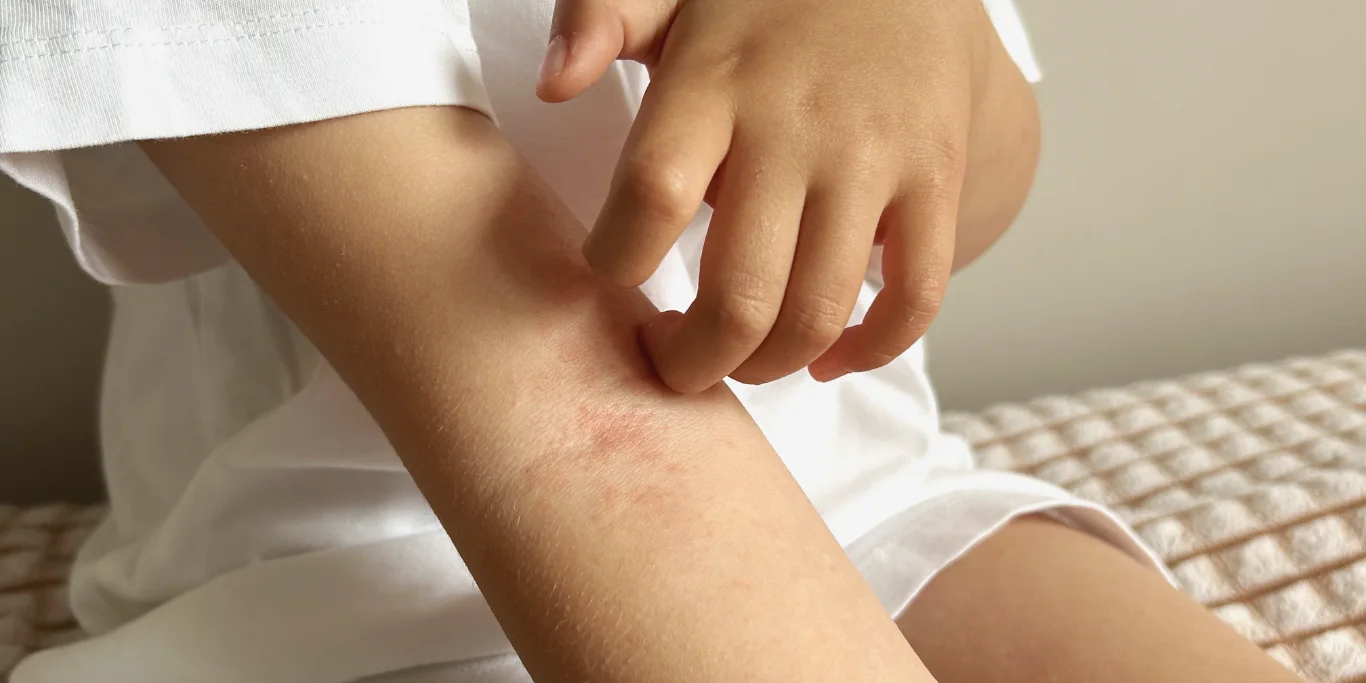
Sticky air and rising temperatures can turn a calm summer into a frustrating skin flare-up. For people with eczema, humid weather often means more sweating, more friction, and more itching. At Westchester Center for Dermatology in Scarsdale, NY, our dermatology team, led by board-certified dermatologist Dr. David Kriegel, helps patients manage eczema and other chronic skin conditions throughout every season. Learn more about how we can help here.
How Does Humidity Affect Eczema?
Humidity raises the amount of moisture in the air around you. Your body responds by sweating more to help you stay cool, and that sweat can irritate eczema-prone skin.
Sweat contains salt, which can sting broken or inflamed skin on contact. Friction from clothing rubbing against damp skin adds to the irritation. Warmer temperatures may also make itching and discomfort feel more intense for some people.
Common Eczema Triggers During Humid Months
Every person reacts differently to warm-weather triggers, so it helps to know the common ones. Frequent culprits include heavy sweating, high heat, and tight or non-breathable clothing. Chlorinated pool water, fragranced products, and frequent showers with harsh soap can also play a role.
Typical eczema triggers may include:
- Excessive sweating
- Heat and high humidity
- Tight or non-breathable clothing
- Chlorinated pool water
- Fragranced products
- Frequent showers or harsh soaps
Eczema is just one of many chronic inflammatory skin conditions. If you also experience persistent scaling, redness, or thickened patches that don’t respond to routine skin care, our dermatology team can evaluate whether another condition, such as psoriasis, may be contributing to your symptoms.
Keep Your Skin Cool and Comfortable
Staying in cool, well-ventilated spaces can lower how much you sweat during the day. Choose loose, lightweight, and breathable clothing whenever possible.
Change out of sweaty clothes as soon as you can. Rinse off with lukewarm water after heavy exercise or extended heat exposure.
Moisturize Even When It’s Humid
Even in humid weather, your skin still needs a regular moisturizing routine. Apply a gentle, fragrance-free moisturizer right after bathing while your skin is still slightly damp to help lock in hydration.
Lighter lotions often feel more comfortable in warm weather than thick creams. Thicker creams may still help very dry areas, such as the elbows or knees. Your dermatologist can recommend the best moisturizer for your skin type and symptoms.
Choose Gentle Skin Care Products
Harsh soaps and heavily fragranced products can strip your skin’s natural moisture. Choose mild, hypoallergenic cleansers made for sensitive skin, and keep showers short.
A simple skincare routine often causes less irritation than a complicated one.
Managing Sweat and Itching
Keeping your skin cool throughout the day can reduce sweat buildup and irritation. Pat your skin dry gently instead of rubbing it after sweating or bathing.
Scratching can break the skin and make eczema symptoms worse. Keeping your fingernails short can help reduce skin damage if scratching does happen.
Trusted Dermatology Care
At Westchester Center for Dermatology, patients in Scarsdale, NY, receive comprehensive care for eczema and other skin conditions from our experienced dermatology team. Founded and led by nationally recognized board-certified dermatologist Dr. David Kriegel, the practice is committed to delivering personalized, evidence-based care for a wide range of skin concerns.
Dr. Kriegel has been recognized by New York Magazine’s Best Doctors, The New York Times Super Doctors, and Castle Connolly America’s Top Doctors for his excellence in dermatologic surgery and has led Westchester Center for Dermatology in providing high-quality, patient-centered dermatologic care for decades.
Under Dr. Kriegel’s leadership, our dermatology team provides individualized treatment plans to help patients manage eczema, reduce flare-ups, and maintain healthier skin throughout every season.
When Should You See a Dermatologist?
Persistent itching or frequent flare-ups may signal that your current treatment plan needs adjustment. Skin changes that do not improve with basic care are also worth a professional evaluation.
The dermatology team at Westchester Center for Dermatology treats eczema and many other medical skin conditions. In addition to eczema care, we provide treatment for concerns such as acne and psoriasis. If your symptoms interfere with your sleep, daily activities, or quality of life, learn more about our eczema treatment options or contact our office to schedule an evaluation.
Keep Eczema Under Control During Humid Months
Humidity, sweat, and warm-weather triggers can all affect eczema-prone skin differently. Small adjustments to your clothing, skincare routine, and daily habits can make a meaningful difference. Eczema care often needs to change with the seasons to remain effective. If your symptoms persist or become difficult to manage, the dermatology team at Westchester Center for Dermatology can help. Contact our Scarsdale, NY, office today to schedule a consultation.
Archives
- September 2026
- August 2026
- July 2026
- June 2026
- April 2026
- March 2026
- February 2026
- January 2026
- December 2025
- November 2025
- October 2025
- September 2025
- August 2025
- June 2025
- April 2025
- March 2025
- January 2025
- December 2024
- November 2024
- October 2024
- September 2024
- August 2024
- July 2024
- June 2024
- May 2024
- April 2024
- February 2024
- January 2024
- December 2023
- November 2023
- October 2023
- August 2023
- September 2021
- August 2021
- January 2019
- November 2018
- October 2018
- September 2018
- August 2018
- June 2018
- May 2018
- March 2018
- February 2018
- December 2017
- November 2017
- October 2017
- September 2017
- August 2017
- May 2017
- March 2017
- February 2017
- January 2017
- December 2016
- January 2016
- December 2015
- November 2015
- October 2015
- September 2015
- August 2015
- June 2015
- May 2015
- April 2015
- March 2015
- February 2015
- January 2015
- October 2014
- September 2014
- August 2014
- July 2014
- June 2014
- April 2014
- January 2014
- December 2013
- October 2013
- September 2012
- August 2012
- July 2012
- June 2012
- March 2012
- November 2011
- October 2011
- September 2011
- August 2011
- March 2011
- October 2010
- June 2010
- May 2010
- March 2010
- February 2010